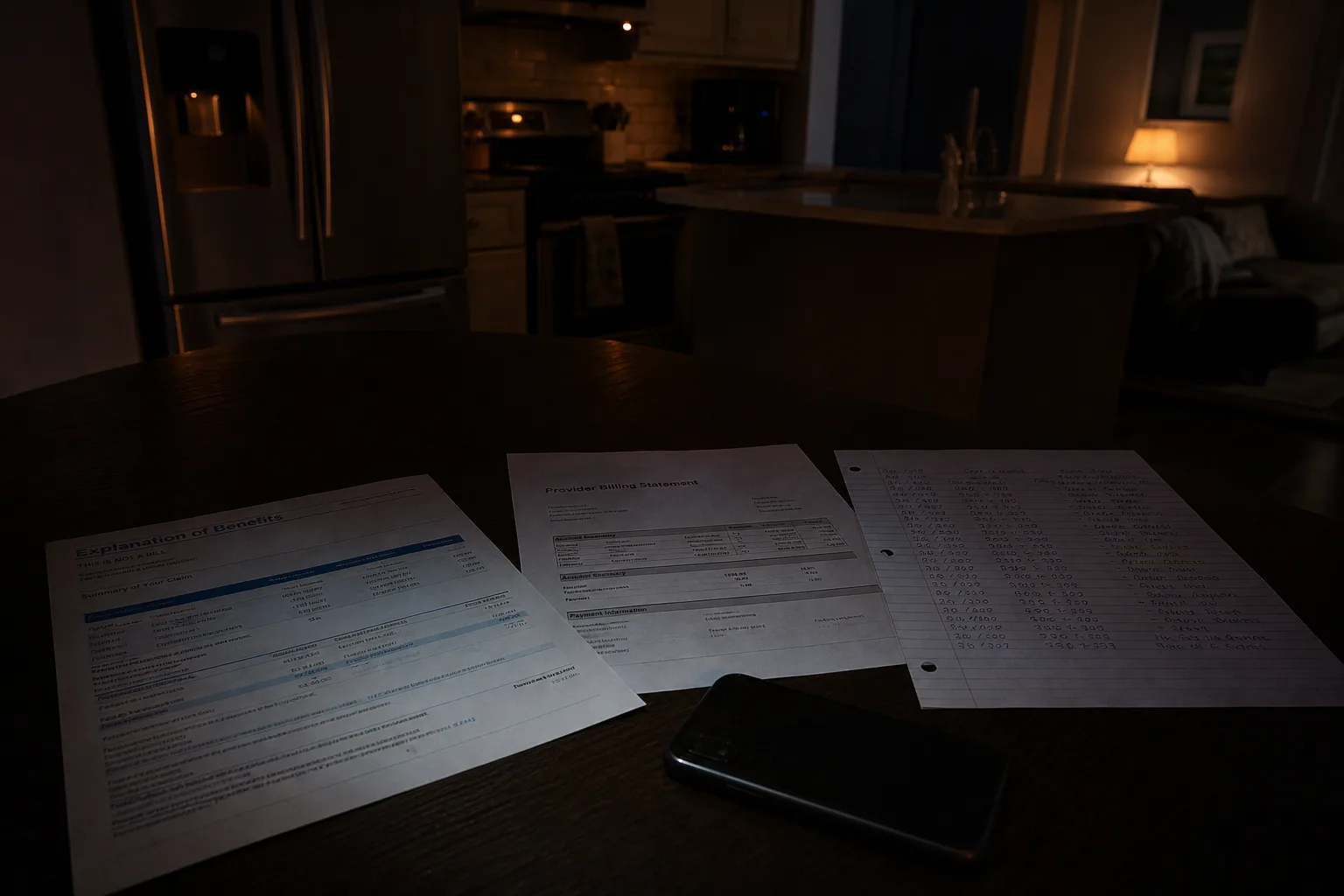
Most denied claims are not settled by argument. They are settled by which document reached which reviewer before which date, and by whether the person appealing understood that a denial is not one decision but a chain of them, each with its own clock. The difference between an appeal that gets paid and one that quietly dies is rarely eloquence. It is sequence. A barely adequate job calls the number on the back of the card, hears a reason that sounds final, and resubmits the same bill hoping for a different result. A good one starts by reading the letter for its deadlines.
The denial letter has to say more than it used to
The thing that changed over the last few years, and it changed slowly enough that most people missed it, is how much specificity a plan owes you when it says no. A denial is supposed to identify the reason in terms you can act on: the specific code, the specific plan provision or clinical criterion relied on, and the procedure and time limits for appealing. That shift matters because the older style of denial, a single line about medical necessity or a service not being covered, gave an appellant nothing to answer. You cannot rebut a sentence. You can rebut a criterion.
The second change is speed, and it is still arriving in phases. Prior authorization decisions, which used to disappear into an unmeasured middle distance, are increasingly bound to published turnaround windows and to electronic submission channels that timestamp everything. The practical effect for a household is that the delay you experience is now more often attributable to a named step rather than to a general fog. When a request sits for eleven days, there is usually a rule that says what day it was due, and a person whose job it is to answer for that.
The Department of Labor oversees claims and appeals procedures for employer-sponsored group health plans, which is the category most working households fall into without ever being told so. Knowing whether your coverage is an employer plan, an individual marketplace policy, or a government program is not trivia. It determines which appeal rules govern, which external review process applies at the end, and who you escalate to when the plan misses its own deadline.
Two letters, and the reason people confuse them
Almost every denial produces two pieces of paper that look alike and do different work. One is the explanation of benefits from the plan, which is not a bill and is the document that carries your appeal rights. The other is the statement from the provider's billing office, which is a bill, carries no appeal rights, and often arrives first. A barely adequate response treats them as the same event and calls the provider to complain about a decision the provider did not make. A good response separates them within the first week: the plan letter drives the appeal, the provider statement drives a hold on collections while the appeal runs.
Asking the billing office to place the account in appeal status is a small step that buys a large amount of quiet. It generally stops the account moving toward collections while the coverage question is open, and it gives you a named contact on the provider side who can send records to the plan faster than you can. Get that request in writing, even if it is only an email confirming a phone call. The confirmation is worth more later than the call was at the time.
The order to run it, and what each stage actually takes
Start with the cheapest correction, because a large share of denials are clerical rather than substantive. A wrong date of birth, a lapsed referral, a coordination-of-benefits question the plan asked and nobody answered, a service billed under the wrong place-of-service code: these are fixed by a corrected claim from the provider's billing office, not by an appeal, and they typically resolve within one billing cycle of a few weeks. Running a formal appeal on a clerical denial wastes one of your appeal levels and burns thirty to sixty days you may want later.
If the denial is substantive, the next step is reconsideration or, for a clinical denial, a peer-to-peer conversation between the treating clinician and the plan's reviewer. This is the fastest real remedy in the system, often scheduled within days, and it is the stage most people skip because nobody tells them it exists. Then comes the internal appeal, filed by you or by the provider on your behalf, with a written statement, the relevant records, and a direct answer to the criterion the denial letter cited. Post-service internal appeals are commonly decided within about sixty days, pre-service ones sooner, and urgent requests within seventy-two hours.
Only after the internal levels are exhausted does external review open. An independent organization with no financial interest in the outcome looks at the file, and the decision binds the plan. Standard external review is commonly a matter of weeks rather than months, with an expedited track for urgent cases. The filing window after the final internal denial is finite and shorter than people expect, which is the single most common way a winnable claim is lost.
What separates a good file from a thin one
A good appeal file is boring and complete. It contains the denial letter, the explanation of benefits, the specific plan language or clinical policy cited, the clinician's note tying the service to that language, and a one-page cover letter that says what was denied, on what stated basis, and why that basis does not hold. It does not contain the family's frustration, and it does not ask the reviewer to infer anything. Every date is written down: the date of service, the date of the denial letter, the date you filed, and the date the plan's own answer is due.
The thin version is a phone log and a hope. It has no copy of the criterion, no clinical note answering it, and no record of who said what on which day, so when the plan's deadline passes there is nothing to point at. Keeping a single dated page of contacts, name, department, reference number, and what was promised, turns a stalled file into an escalation you can actually make. When a plan blows a deadline, that page is what converts a complaint into a specific one.
Ask for the claim file. You are generally entitled to the documents the plan relied on, including the internal rule or guideline behind a clinical denial, and requesting them costs a letter. Reviewers behave differently when they know the reasoning will be read.
The work is unglamorous and it is finite. Two or three focused hours in the first week, spent reading the letter properly, separating the bill from the decision, and writing down every deadline, does more for the outcome than months of calling. The claims that get paid late are usually the ones somebody started early.