Ask a household which maintenance tasks they have done every year without fail, and the answer is rarely the one they meant to keep. It is the furnace visit the warranty demands, the backflow test the water utility bills for, the septic pumping the county wants a receipt for. Willpower gets credit it did not earn. What actually carries a schedule from one year to the next is an outside party with a date, a form, and a consequence for missing it, and the practical work is figuring out which of your systems already have one attached.
The warranty condition is the strongest calendar in the house
Most sealed-system appliances and nearly all heating and cooling equipment carry a manufacturer warranty conditioned on documented service at stated intervals. That condition is not decoration. When a compressor fails inside the coverage window, the claim goes to the manufacturer with the dealer's paperwork attached, and the first question is whether the annual visits happened and can be shown. The Federal Trade Commission oversees warranty disclosure and the rules on tying coverage to a particular brand of service or parts, which is why the language usually requires professional maintenance rather than one company's maintenance. That distinction matters when you are picking who to call.
What proves the visit is not a sticker on the side of the air handler. It is an invoice carrying the date, the model and serial number of the specific unit, a description of what was inspected or replaced, and the technician's name or license number. A one-line receipt reading annual service will not carry a claim eight years later. Ask for the itemized version while the truck is still in the driveway, because retrieving it from a dispatch company two winters afterward is a phone-call project measured in weeks, not an email.
Who the person on the ladder actually works for
The name on the truck, the entity on your invoice, and the employer of the technician are frequently three different things. A national brand sells the plan, a regional dealer holds the territory, and the person who arrives is a subcontractor or a W-2 employee of a company you have never heard of. None of that is a problem while the work goes well. It becomes the whole problem the moment a drain line is left disconnected, a panel cover is left off, or the humidifier was billed as serviced and was not touched.
The customer's leverage sits with whoever took the payment, not whoever swung the wrench. If you paid the plan, the plan owes you the correction, and the internal question of which sub gets charged back is theirs to settle. Say that plainly when you call. Keep the ticket or work-order number from the visit, because the dispatch chain is organized around that number and not around your address. When a company asks you to contact the technician directly to arrange a return, that is a request, not an obligation, and declining it usually speeds things up.
The items with a legal timer rather than a marketing one
A useful sort is to separate maintenance somebody sells you from maintenance somebody requires. Backflow prevention assemblies on irrigation systems are commonly tested annually under a water utility's cross-connection program, with the results filed by a certified tester rather than by you. Septic systems in many counties operate on a pumping and inspection interval tied to the permit. Fire extinguishers and smoke alarms in a rented unit sit on the landlord's obligation under state habitability law and local fire code, with tags and dates that an inspector can read. Elevators, boilers above certain thresholds, and commercial hoods all run on inspection cycles nobody negotiates.
These are the tasks worth building the rest of the year around, because the reminders arrive from outside and the paperwork is generated whether or not you file it. If you own a system on one of these cycles, find out this month who holds the certification that makes the test count, since a plumber and a certified backflow tester are not automatically the same person. Then attach the discretionary work to the mandatory visit. Gutters, dryer vent, water heater flush, and filter changes ride along much more reliably when they share a date with something that has consequences.
What putting it right looks like from your side
Labor and parts warranties on a service visit are separate from the equipment warranty, and they are usually short: a defined callback window on the workmanship, running from the date of the invoice. Inside that window the return trip should carry no charge, and you want the second invoice to reference the first, because a fresh ticket with no history is how a callback quietly becomes a new billable call. If a manufacturer's part fails, the labor to swap it may or may not be covered depending on the plan, and asking before authorizing the work is the cheapest question available.
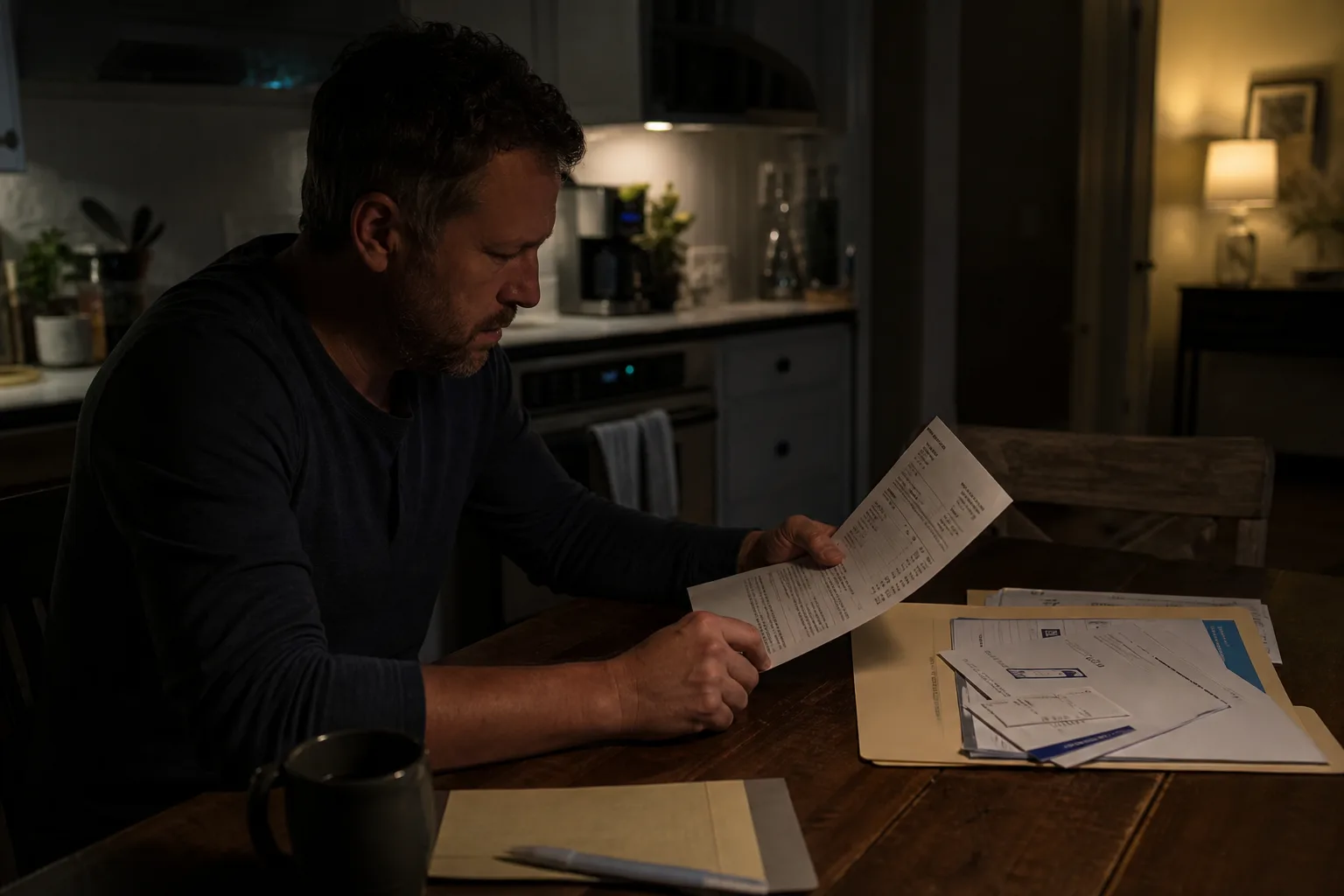
Keep a single folder, digital or paper, per system rather than per year. Model and serial numbers, the original installation invoice, the registration confirmation, and every service record in date order. When something fails in year seven, that folder is the difference between a covered claim processed in a couple of weeks and an argument that ends with you buying a compressor. Households that keep schedules well are almost always households that keep records well, and the record is what turns a maintenance plan into a protection you can actually collect on.
The schedule people keep is the one with somebody else's deadline inside it. Start from the systems that already generate an outside notice, learn which entity is contractually on the hook for each one, and let the rest of the year's upkeep attach itself to those dates.