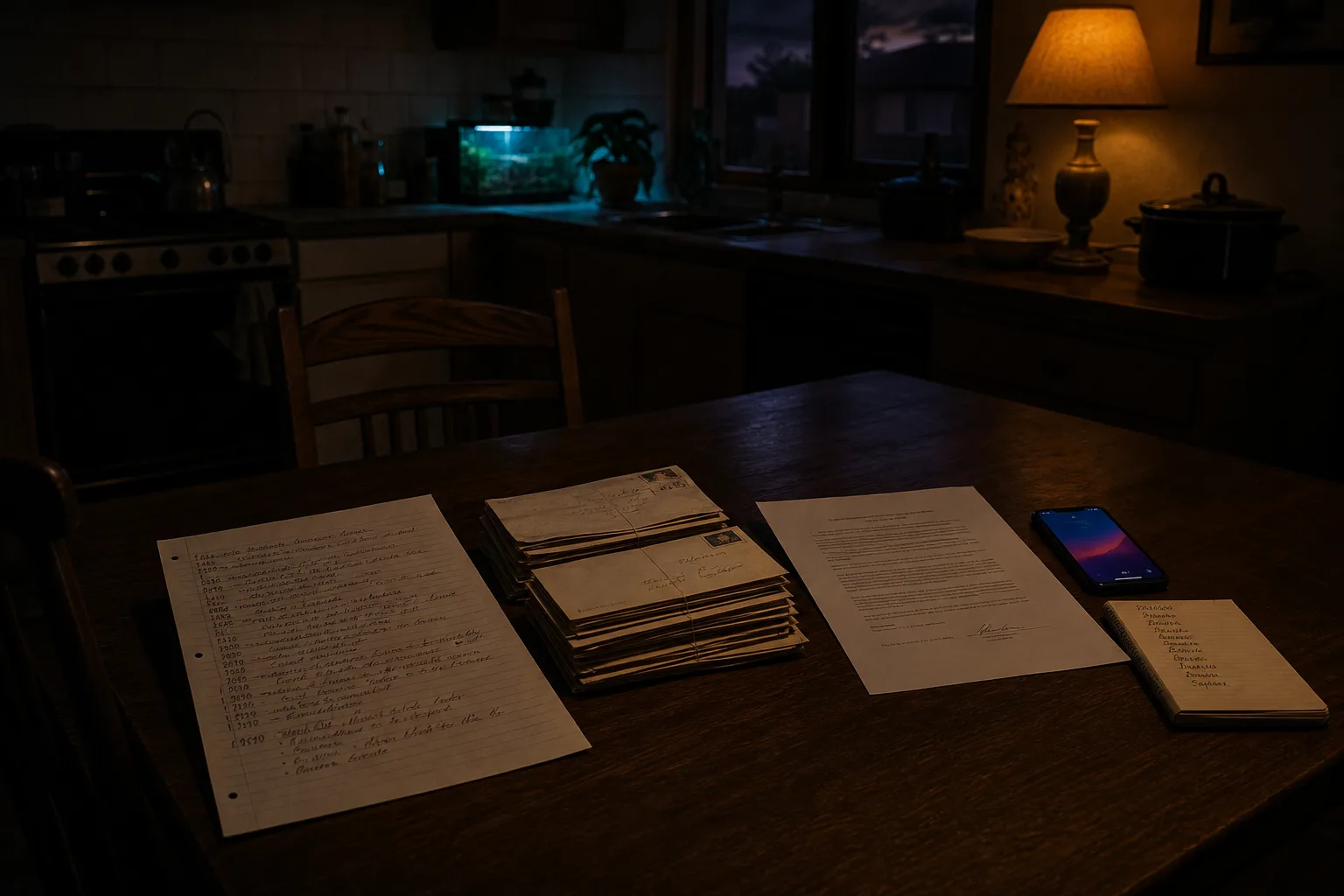
The consultation a household gets today is the back half of something that used to run start to finish in one room. Thirty years ago a person walked in with a shoebox, and the attorney sorted it out loud, on the clock, asking the basic questions about dates and names and who else had a copy. That work still happens. It has simply moved forward in the sequence, onto intake forms, web portals, and staff who are not attorneys, which is why the meeting itself now begins somewhere in the middle. Knowing where it begins is most of the preparation.
Why the front of the meeting moved off the attorney's desk
Three pressures pushed it. Case management software made it cheap to capture facts in a structured field rather than a legal pad, so firms started capturing them before anyone billable was involved. Malpractice carriers and state bar discipline records pushed firms toward documented conflict screening and written engagement letters, both of which require specific names and dates up front. And advertising, especially online, produced far more inquiries than any office could interview personally, so someone had to sort the callable from the uncallable. The result is a funnel with several hands in it, each doing a narrow piece.
For an individual, the practical effect is a shorter appointment with a higher floor. The attorney arrives already holding a summary someone else wrote from what you said on the phone, and the accuracy of that summary sets the tone. If your chronology is muddled at intake, the first fifteen minutes of a thirty or sixty minute slot get spent untangling it, and you pay for that either in money or in the depth of the answer you leave with. Prepared clients are not being polite. They are recovering time that was moved upstream.
Who the person on the phone actually works for
The voice answering at nine in the morning may be an employee of the firm, or it may be an answering service under contract, paid per call, scripted, with no view of the calendar beyond an open slot. Next in the chain is usually an intake coordinator or a paralegal, who can take facts, request documents, and start the conflict check, but who is barred from telling you whether you have a case or how long you have to file. Then an attorney, sometimes a contract attorney handling overflow. Each stage adds a handoff, and handoffs are where days go.
This matters when something needs putting right. If the scheduled time comes and goes with no call, the fix depends on who dropped it: an answering service will have a ticket and no authority, the intake coordinator can rebook you the same day, and only the attorney can extend the scope of what gets covered. Ask, early and without apology, for the name and direct line of the person handling your file before the engagement letter is signed. That single question shortens every subsequent delay, because you stop routing through the front of the funnel.
The conflict check is a clock, not a formality
Before an attorney can talk with you in any detail, the firm has to confirm it does not already represent, or has not previously represented, someone on the other side. That check runs against names, so it needs the full legal name of the opposing party, spelled out, plus any business entity involved, the insurance carrier, the adjuster, a landlord's management company, an estranged relative's married name. Give three of the four and the check comes back incomplete, and it gets run again from the start. At a single-office firm this is often a same-day matter. Across a multi-office firm it commonly takes a day or two.
Two days is nothing unless a deadline is running, and in a household matter something usually is: a notice period in a lease, a statutory window for a construction defect claim, a response date printed on a court summons, an insurer's deadline for a sworn proof of loss. Say the date out loud at intake, even if you are unsure of it, and say where you read it. Coordinators are trained to escalate a hard date, and a matter with a date attached gets scheduled differently from one without. That is the single highest-value sentence in the first call.
Assemble the file in the order somebody else will read it
The person opening your envelope has never seen your kitchen, your neighbor, or your late father's second marriage. Start with one page: a chronology, dated entries, one line each, no argument and no adjectives. Then a second page listing every name with a role beside it, including the people who only appear once. Then the documents in date order, exactly as the chronology references them, with the contract and any change orders first if the dispute involves paid work. Photographs are useful only when they carry a date, and screenshots of texts should show the phone number.
What you leave out is also a decision. Send the signed agreement, not the three drafts before it. Send the adjuster's denial letter, not the whole policy, unless the fight is about coverage language, in which case send the declarations page too. For disputes with a company, the Federal Trade Commission is the federal agency responsible for consumer protection enforcement and maintains the complaint infrastructure attorneys ask about, so note whether you have filed anywhere and when. A complaint already on file is a fact about your case, and it belongs in the chronology like any other.
What comes back, and how long it takes
After the meeting, expect an engagement letter rather than a handshake. It should name the scope, whether that is a single letter, a filing, a full representation, or an hour of advice and nothing further, and it should say what the fee arrangement is and what happens to the retainer if the matter closes early. Read the paragraph on who performs the work. Firms routinely staff the day-to-day to a paralegal or a junior associate, which is normal and cheaper, but you want it written down so that a call about your file has an obvious first destination.
Turnaround on that letter is usually a few business days, and the file does not move until it comes back signed with funds cleared, which adds its own short wait through the bank. Ask at the meeting what the next dated event is and who creates it, because in most household matters the calendar is set by an outside party: a court clerk, a county recorder, an insurer, an opposing attorney. Knowing which delays are the process and which are a call not returned is the difference between waiting well and waiting blind.
The preparation that makes a first meeting count is unglamorous and takes an evening: a page of dates, a page of names, documents in order, and one written question you most need answered. Do that, name your deadline on the first call, and get the name of the person who will actually handle the file. The meeting then starts where it should, with an attorney reading your facts rather than assembling them.